Criteria Used in Ranking Online Casinos as of November 2026
Uma Bauer · Nov 26, 2026

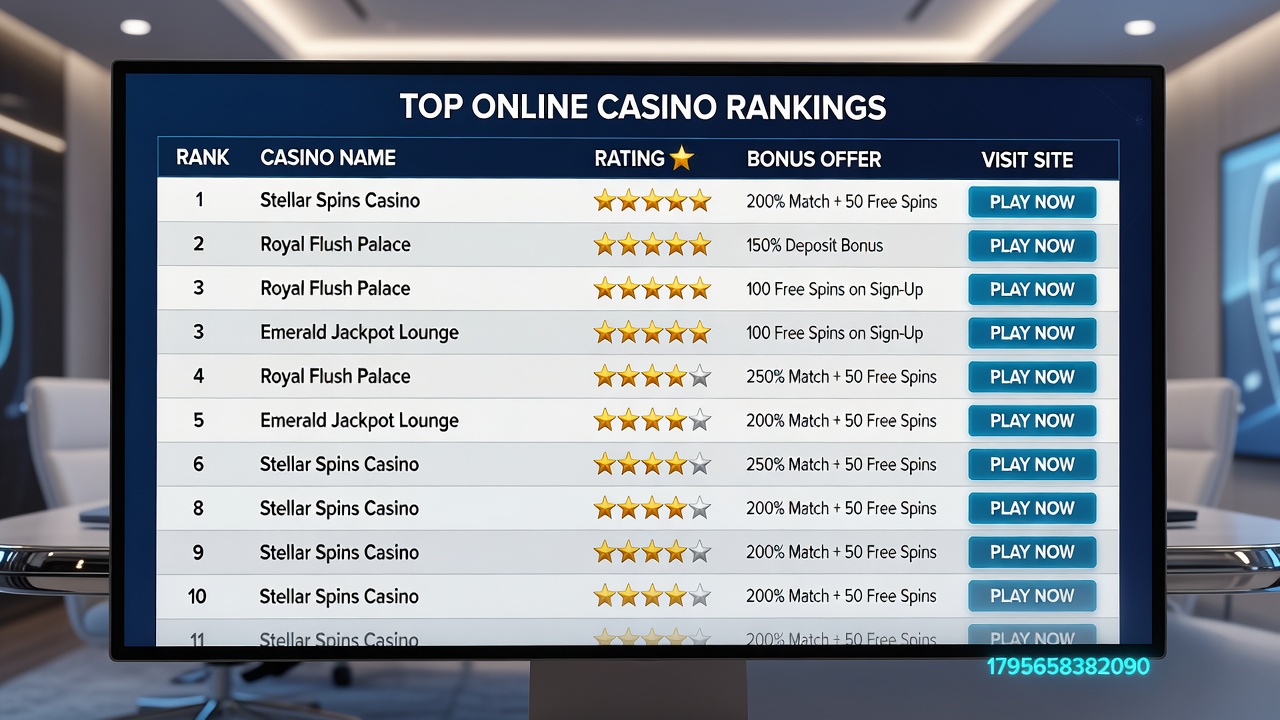
Criteria Used in Ranking Online Casinos as of November 2026
Evaluation frameworks for online casino platforms rely on multiple measurable factors that regulatory bodies and independent analysts track throughout November 2026, with licensing status forming the foundation because operators must hold valid permits from recognized authorities such as the Malta Gaming Authority or the Alcohol and Gaming Commission of Ontario before any ranking process begins. These permits undergo regular audits that verify adherence to financial reporting standards and player fund segregation rules, while data from the Nevada Gaming Control Board shows consistent growth in the number of licensed digital operators entering the market each quarter.
Licensing and Regulatory Compliance Standards
Rankings incorporate checks against jurisdiction-specific requirements, and platforms operating under multiple licenses receive higher placement because they demonstrate compliance across different legal environments. Analysts review license validity dates, renewal histories, and any enforcement actions recorded in public registries, whereas operators facing recent sanctions see their positions drop until issues resolve. November 2026 reports highlight increased scrutiny on cross-border licensing agreements as new tax reporting protocols take effect in several regions.
Security Protocols and Data Protection Measures
Technical safeguards receive equal weight in assessments, with encryption standards, firewall configurations, and third-party penetration testing results forming core data points. Researchers document how platforms implement SSL certificates alongside regular vulnerability scans, and independent labs publish certification results that ranking systems reference directly. Payment processing security also factors in because verified transaction logs reduce risks associated with unauthorized access during high-volume periods.
Game Variety and Software Provider Partnerships
Platform rankings examine the range of available titles and the reputation of associated software developers, since partnerships with established providers such as Microgaming or NetEnt correlate with consistent performance metrics. Analysts count certified random number generator implementations and review game return-to-player percentages published in regulatory filings, while November 2026 updates from industry monitoring services note expansions in live dealer offerings across multiple jurisdictions.
Bonus Structures and Promotional Transparency
Promotional offers undergo detailed review because terms and conditions must align with stated payout rates and wagering requirements. Evaluators compare bonus values against actual redemption data collected from player reports, and platforms that maintain clear disclosure policies maintain stronger positions. Data collected through oversight agencies indicates that transparent promotional structures correlate with higher retention figures in tracked markets.
Payment Processing Efficiency and Withdrawal Timelines
Transaction speed and supported methods contribute significantly to final scores, with rankings favoring sites that process withdrawals within documented timeframes using verified banking channels. Observers track average processing durations reported in operator disclosures, and November 2026 statistics reveal growing adoption of digital wallet integrations that reduce delays in several regulated markets. Reliability metrics include chargeback rates and dispute resolution outcomes published by financial oversight bodies.
Mobile Compatibility and User Interface Performance
Cross-device functionality receives systematic evaluation because increasing numbers of players access platforms through smartphones and tablets. Testing protocols assess load times, navigation consistency, and feature parity between desktop and mobile versions, while performance benchmarks from independent testing firms provide quantitative scores used in ranking algorithms. Platforms demonstrating stable operation across operating systems maintain competitive placements.
Customer Support Responsiveness and Accessibility
Support channel availability and response metrics complete the evaluation matrix, with rankings incorporating average reply times from live chat, email, and telephone services. Multilingual options and 24-hour coverage patterns factor into assessments because these elements affect user experience in international markets. Recorded interaction logs from oversight reviews supply the factual basis for these measurements.
Conclusion
Comprehensive ranking systems integrate these elements into weighted models that update periodically as new compliance data and performance statistics become available. November 2026 assessments continue to emphasize verifiable licensing records alongside technical security certifications and transparent operational reporting, producing structured evaluations that reflect measurable platform attributes across regulated environments.